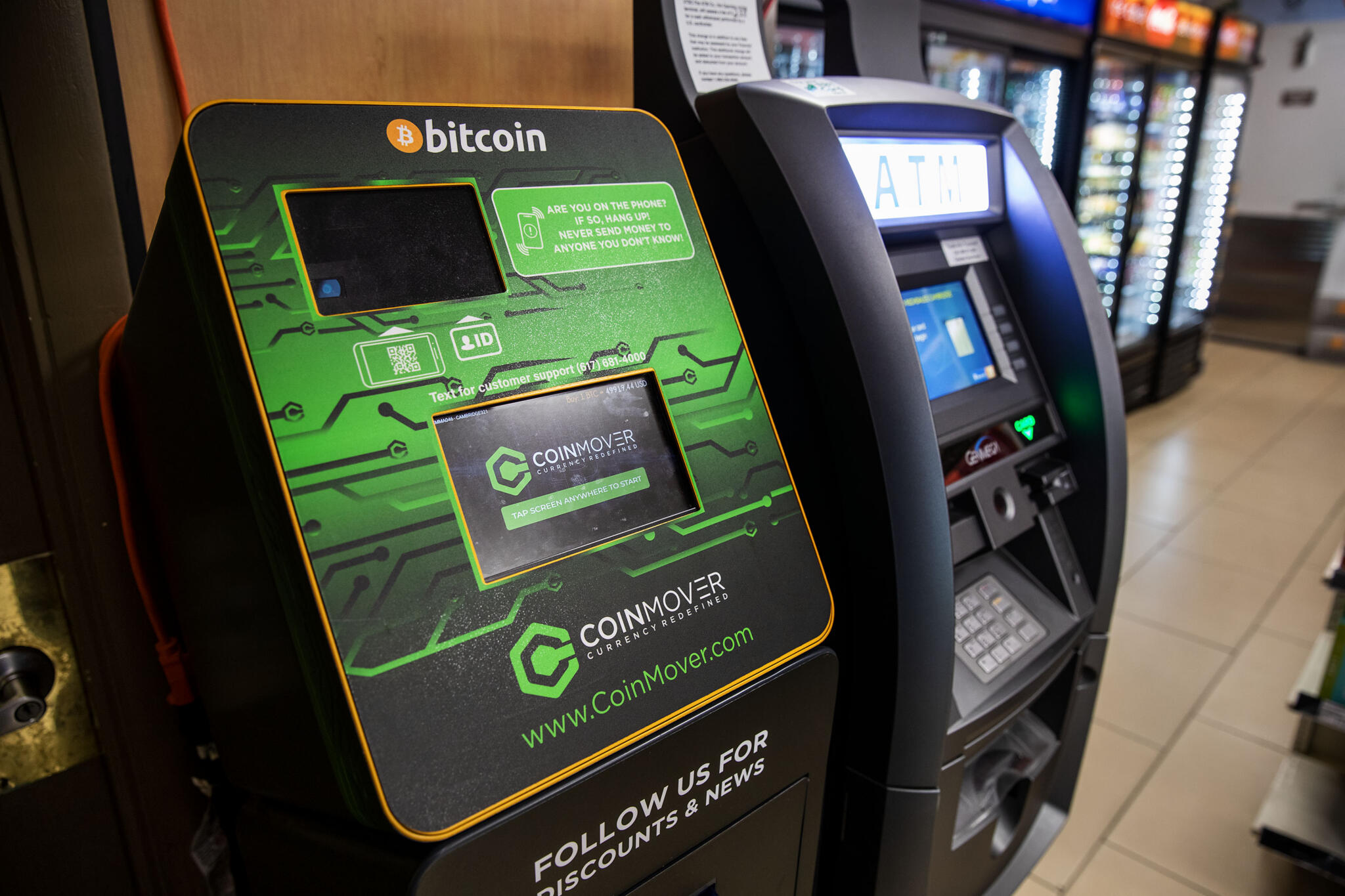
States and cities are moving to ban cryptocurrency kiosks across the country. Local leaders want these cash machines gone because scammers use them to steal money from residents. New rules are popping up fast to shut the machines down before more people lose their savings.
Why are cities banning cryptocurrency kiosks?
Many lawmakers say cryptocurrency kiosks make it too easy for criminals to grab cash from everyday people. Scammers call victims on the phone, pretend to be police or tax agents, and tell them to pay right away. The caller tells the victim to find a nearby kiosk, insert cash, and send coins to a private digital wallet.
Because the machines turn physical cash into digital coins instantly, the money vanishes in seconds. Once a victim feeds paper money into the machine, they cannot get it back. Police and city leaders say a full ban is the best way to cut off these traps on street corners.
How scammers use these machines to take your money
Criminals love these machines because they work fast and do not require bank tellers. The machines look just like normal bank ATMs, so people often trust them without thinking twice. That trust makes it simple for thieves to trick older adults and other vulnerable shoppers at gas stations and corner stores.
These local machines connect directly to the wider world of cryptocurrency and crime. Common tricks involve several clear patterns that victims see every day:
- Callers claim your bank account is frozen until you feed cash into a machine.
- Fake utility workers threaten to shut off home power without immediate payment.
- Online dates ask you to deposit money into a kiosk for an emergency.
What a ban means for people who buy digital coins
If these bans spread, anyone who buys cryptocurrency with cash will need to find another way. You will no longer see these machines at local grocery stores, smoke shops, or gas stations. People who want to trade will have to use online exchanges connected to normal bank accounts instead.
Online accounts usually have more security checks and take more time to set up. This extra time can actually protect people who are in the middle of being scammed. A delay gives victims a chance to realize they are talking to a fraudster before any money leaves their hands.
What steps should you watch for next?
More town councils and state governments will vote on these rules in the coming months. Kiosk companies might try to fight back by offering better warning signs or lower daily cash limits on the screens. However, many city leaders feel that warning stickers are not enough to protect their residents from fast fraud.
You can expect to see machines powered off and removed from local stores as new bans take effect. If someone calls you and tells you to drive to a store with cash, hang up the phone right away. Real businesses and government offices will never tell you to pay them through a digital coin kiosk.
Comments (0)
No comments yet. Be the first to share your view.
Leave a comment